DATA
SILOS
Global conflict data is often fragmented across disparate sources—academic studies, NGO field reports, and news aggregators. This fragmentation creates blind spots.
Without a unified view, humanitarian response is reactive rather than proactive. We bridge these gaps by normalizing and visualizing multi-source data in a single accessible interface.
TECH
STACK
A modern, scalable architecture designed for real-time data ingestion, processing, and high-performance visualization.
COLLECT
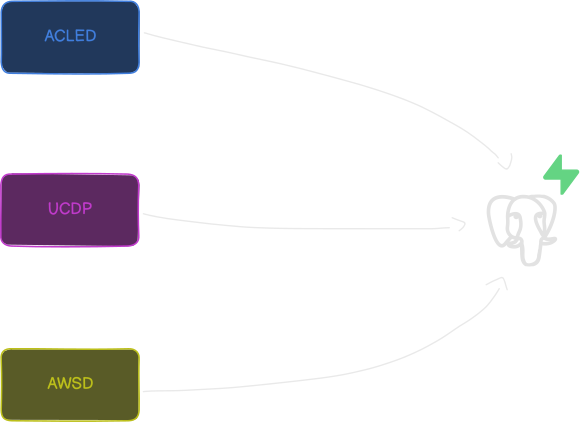
Before analysis begins, we must gather intelligence. We autonomously scrape, fetch, and ingest raw reports from verified global conflict databases like UCDP, ACLED, AWSD and REST Countries.
NORMALIZE
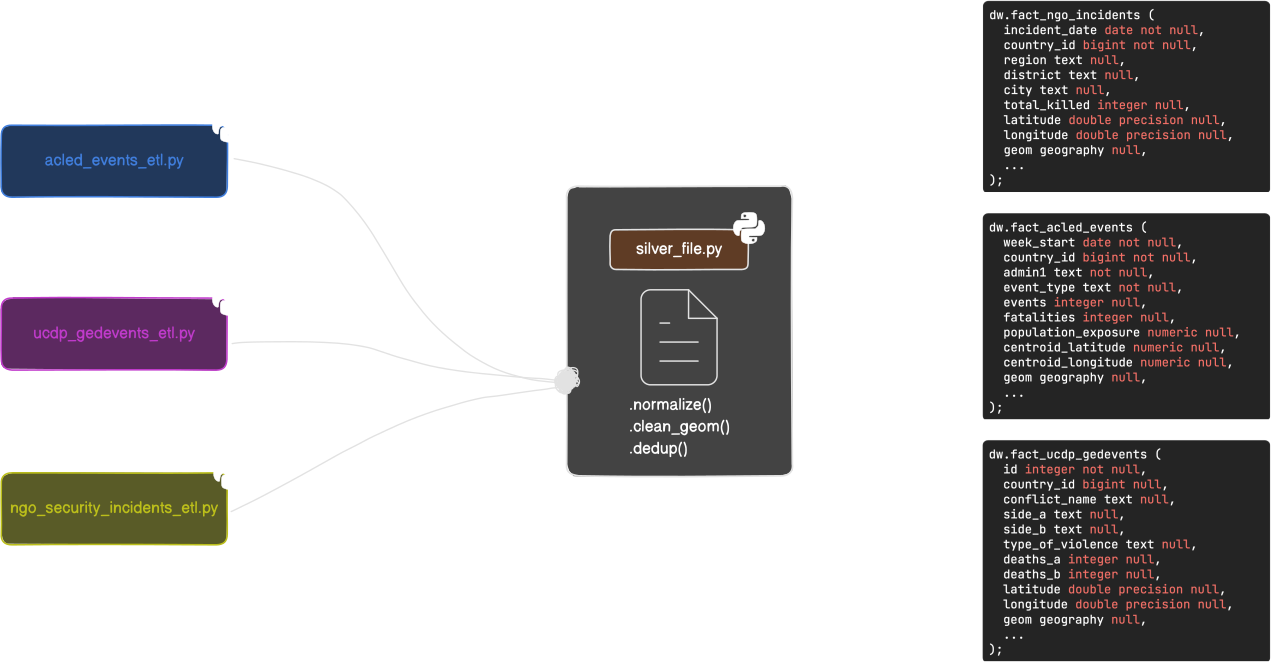
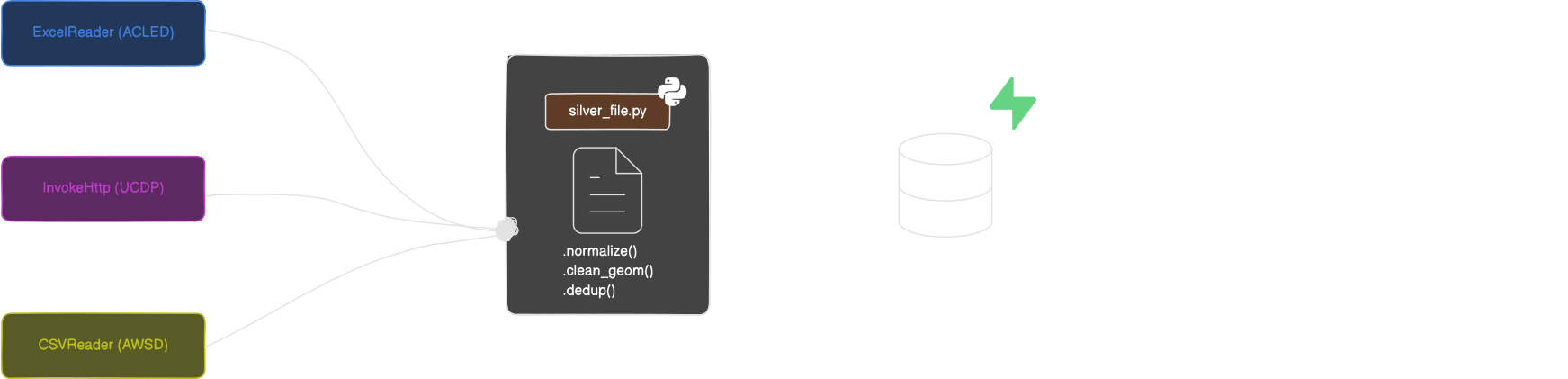
Raw data varies wildly—timestamps, coordinates, and event types are inconsistent across sources. We ingest disparate formats and map them to a unified schema through a rigorous Silver Layer ETL process:
- 01.Dimension Table CreationCreated dim_country based on the REST Countries API reference data, establishing the canonical country_name_common and country_name_official keys.
- 02.Fact Table StandardizationTransformed raw event logs into normalized fact tables (fact_acled_events, fact_ucdp_gedevents, fact_ngo_incidents) and converted raw coordinates into PostGIS GEOGRAPHY types.
- 03.Geospatial LinkingJoined all event fact tables with dim_country using the country_name_common key to enforce referential integrity and spatial consistency.
- 04.EnrichmentIntegrated auxiliary datasets including fact_acled_conflict_index for volatility metrics and fact_ucdp_sources for citation metadata.
AGGREGATE
Structured & Geospatial Data
PostgreSQL + PostGISStores strict relational data, conflict statistics, and time series. PostGIS powers all geospatial logic, from boundaries to point clustering.
Aggregated Data Marts
Gold Layer (Materialized Views)Pre-calculated statistical views (e.g., country_year, global_month) stored as materialized views. Optimized for instant dashboard performance.
Real-time API Layer
SupabaseBridges the database and frontend. Generates consolidated, performant views that feed the interactive dashboard in real-time.
VISUALIZE
Data is useless if it's not actionable. We transform millions of data points into interactive heatmaps, temporal timelines, and cluster analyses for immediate insight.
Events are precisely located on the map using a robust geocoding hierarchy: prioritizing standard ISO codes (cca2, ccn3, cioc) and falling back to country_name_common only as a last resort.